Hi folks,
This is in continuation to my previous post on E-Summit 2016
https://nandishmalhotra.wordpress.com/2016/01/31/e-summit-2016-a-global-melange-iit-bombay-day-1/
Day 2 was even more exciting! Well aware of the fact that 4-5 events took place in parallel I had carefully ticked the events I wanted to attend. The very first event was a panel discussion on ‘Learning from Big Exits’ and the hall was filled beyond capacity, to know how it feels when you sell your company, your dream. Shailesh, Partner at Sequoia Capital expressed that many companies soon after they are acquired regret their decision of selling themselves. Kunal Shah of Freecharge assented, ‘It was very depressing for me. It was as if I used to ride at 200 km/h everyday and now was suddenly asked to halt and chill. I was in a lot of pain. It was not fun. All my excitement had been killed. When you are running your startup you have the pressure of dying every single day. But, that’s the thing about entrepreneurship. It is a drug.’
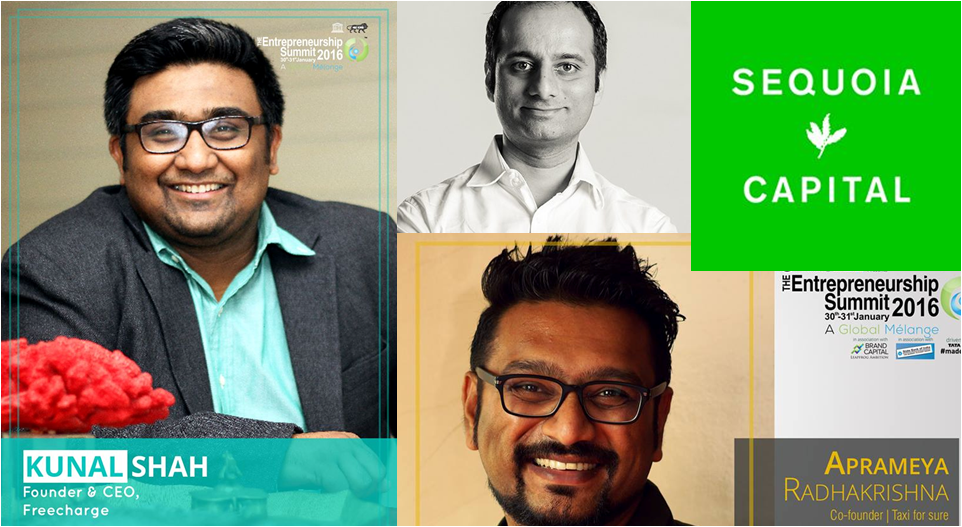
Kunal Shah (Freecharge), Shailesh Lakhani(Sequoia Capital), Aprameya Radhakrishna (TaxiForSure)
He further added, ‘One day I asked Ganesh (of Portea Medical) that why he’s still interested in start-ups. He already has enough money and achievements to keep him satisfied. Ganesh said, if I don’t engage in start-ups I’ll probably get addicted to some other stuff which may not be legal. Start-ups are the most ethical drug we have in India.’
KS: Entrepreneurs are men who are addicted to action and need a constant kick to keep them driving.
Aprameya of TaxiForSure added,’ Talking about driving, when we were in the company I looked at every man only to evaluate whether he would drive or not for us. Just after our exit, I started looking at them as men and not drivers,’ he laughed. When you exit, your family assumes you to be jobless even when you are mentoring young entrepreneurs over the phone or Skype and they expect you to run small errands for you like getting curd from the nearby store, he added. In his case, his entire family was connected to TaxiForSure. His sister did many night outs to ensure they did not miss a single customer. His parents personally talked to the drivers. The drivers often told Aprameya that it was nice when he was around.
Small companies especially start-ups have a charm about them. Everybody knows everyone by name and it is like a family who eats, works and enjoys everyday together. When they are acquired by a larger firm they lose the ability to keep themselves alive. Growth, the most potent drug on which they feed, suddenly dies post acquisition. On being questioned on whether stock exit or cash exit which one is more preferred Kunal smiled and said-‘Cash exit any day, but normally it is never in the hands of the start-up which is being bought. Cash exit makes sure that you are no longer attached to your company, you have been paid out. Whereas, stock exit mein vo feel nai aati. In most of the cases it is a combination of both stock and cash.’
SL(Sequoia Capital): Well I would prefer stock if they have high liquidity. Stock which have higher liquidity are as good as cash and probably even better.
Q: Once you have been acquired does the acquiring firm take all the decisions with your role being a mere consultant?
KS (Freecharge): No it does not go this way. From deciding on the CEO of the company to the exit I wasn’t pushed at all. Matters moved pretty smoothly.
Q: At the cost of Venture Capital funding, founders compromise on most of their equity stakes in the company leaving them with sometimes less than 5% equity. Don’t you think this is excessive dilution on your part?
The dilution does not matter as long as the company is able to deliver its value to a greater audience. Also, the start-up ecosystem in India is in a very nascent stage. There are many more startups expected in the next few years.
Q: Why does a start-up acquire another start-up?
Generally to amass the talent pool. Hiring is one thing which the start-ups are very particular about. When one can get a team of dedicated employees who are excited about the same business and are awesome at it, it cannot be better. Another reason is that the acquired start-up allows them to experiment. They serve as a test market for a new product or a service offering which if successful can be adopted by the parent company. But along with this, it is very important for the parent company to manage the new acquisition properly. Poor management may impact the growth of both the companies.
SL: I think in India we still have very few noticeable acquisitions. There are not many buyers of start-ups here unlike in the other markets. The internet penetration is still less in India, mostly restricted to a countable number of cities. In a few years we can expect more start-ups when we have more users on board.

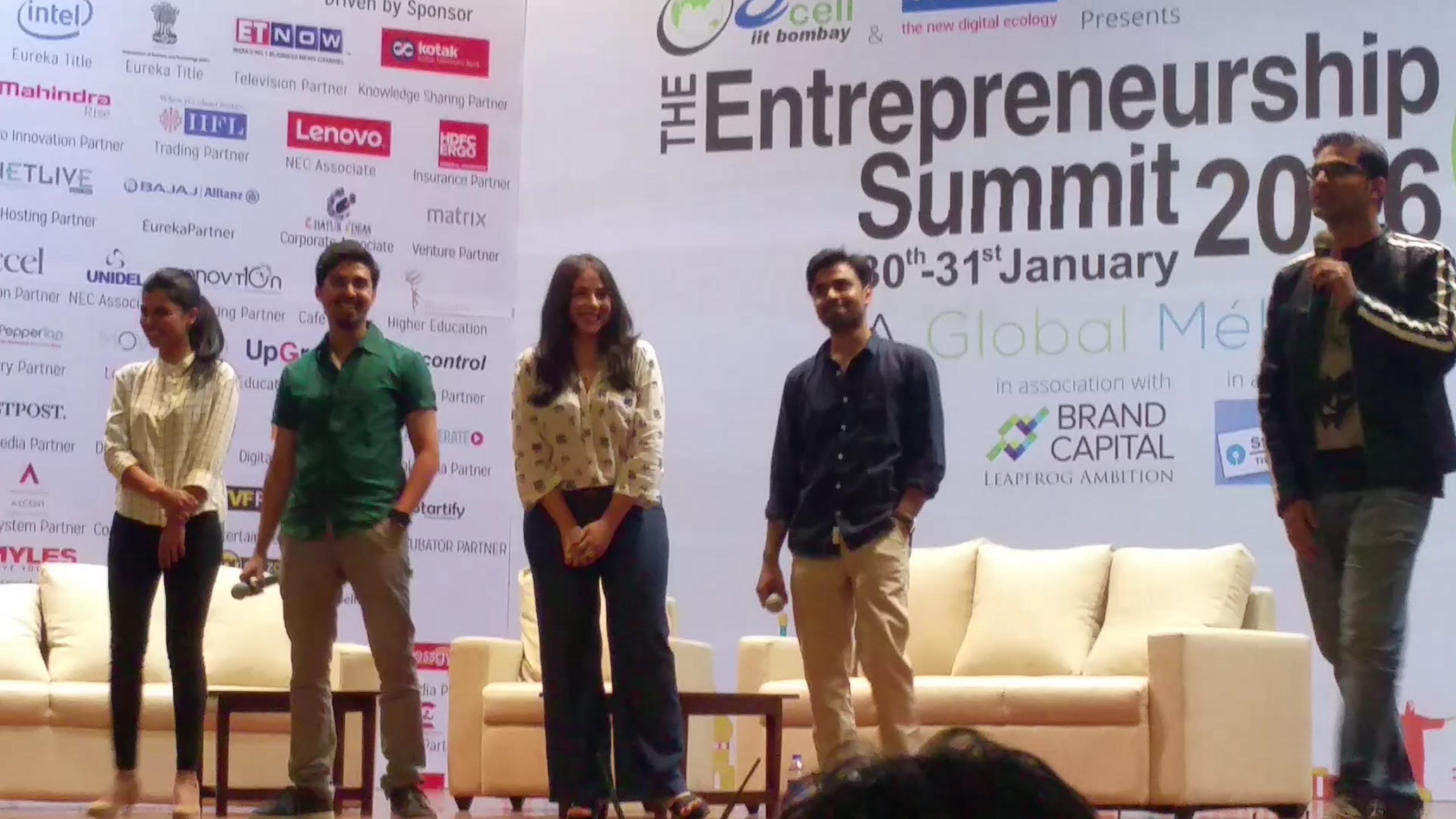
 Nandu speaks
You must be logged in to post a comment.